
Fence Painting Professional in Melbourne


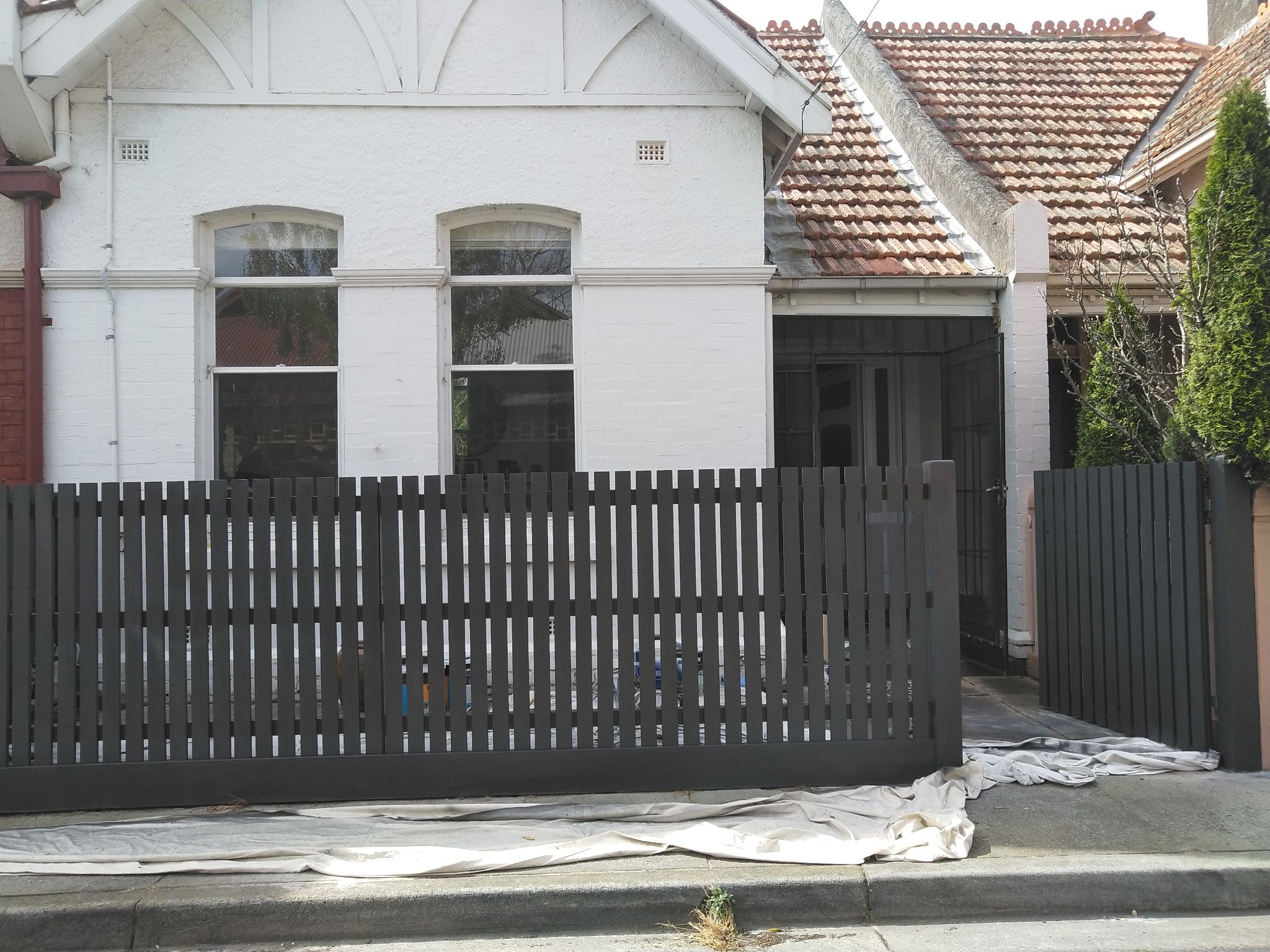
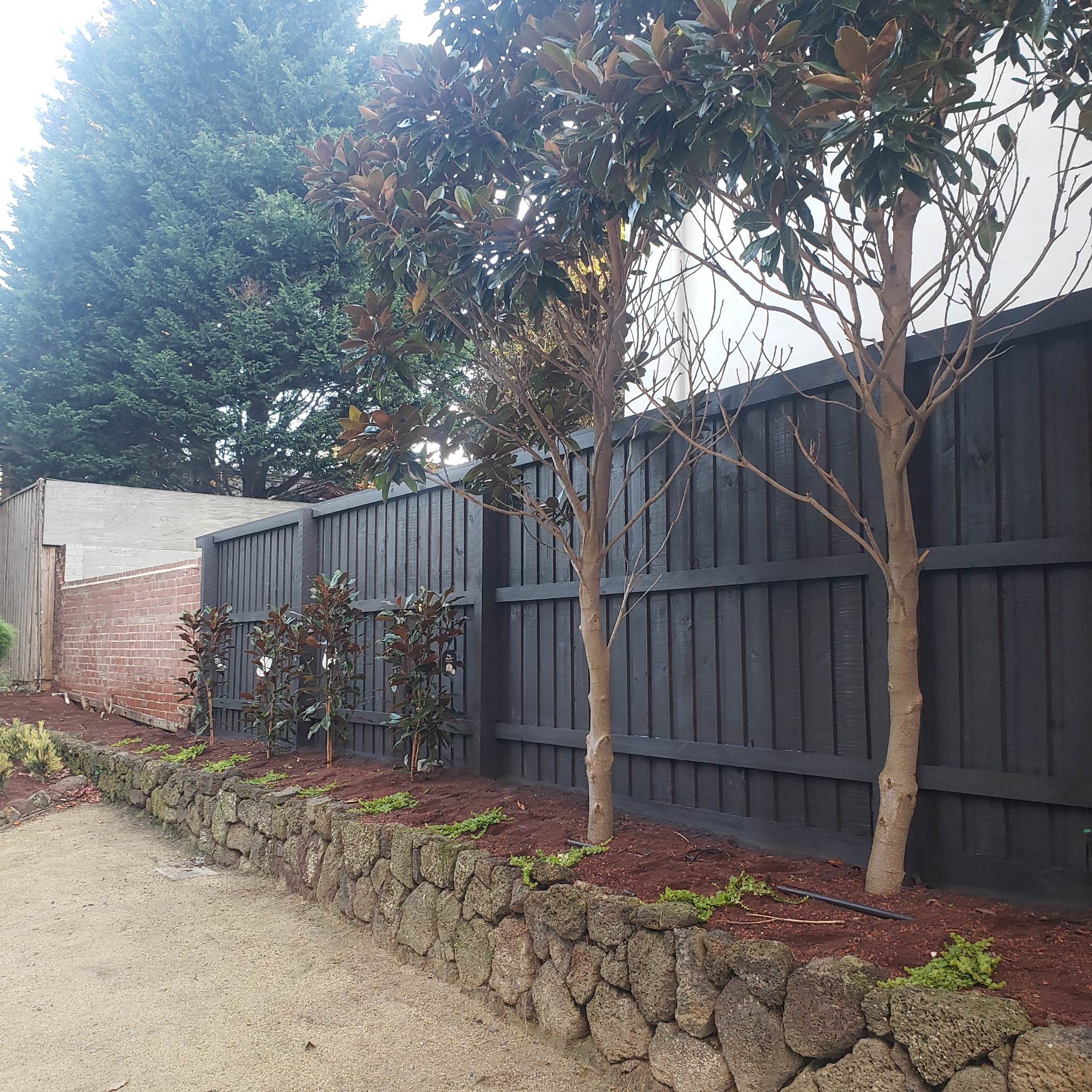
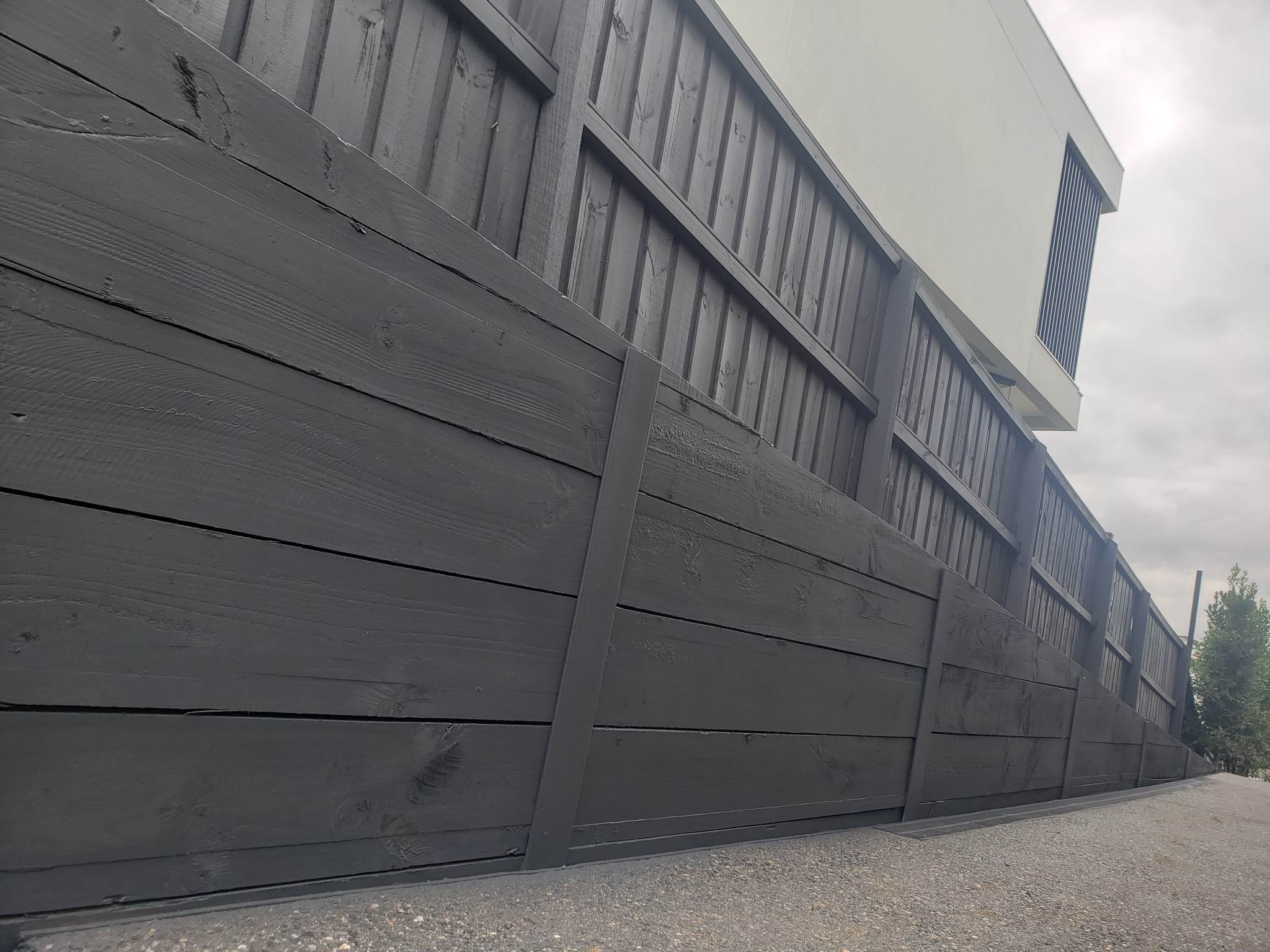
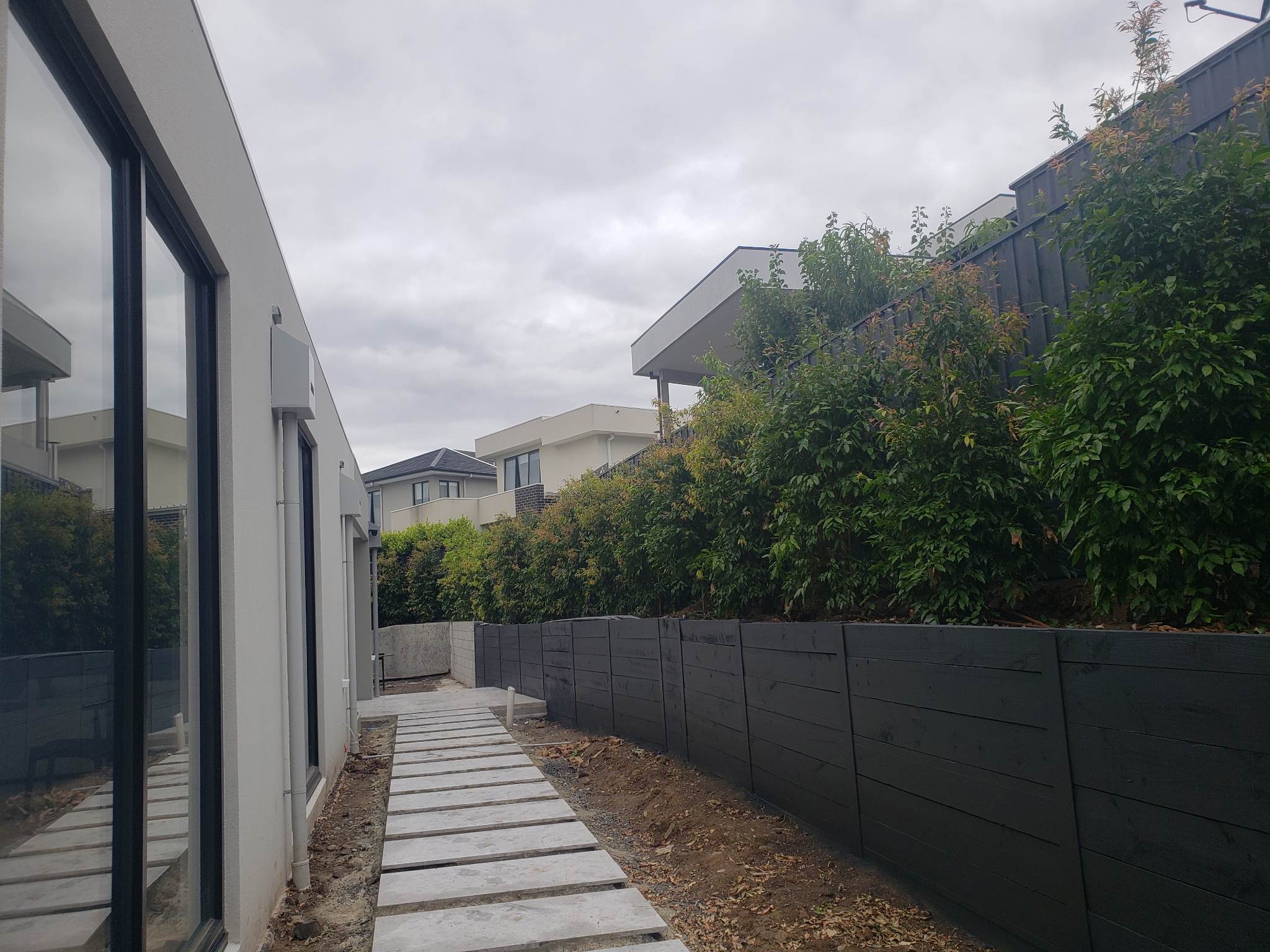
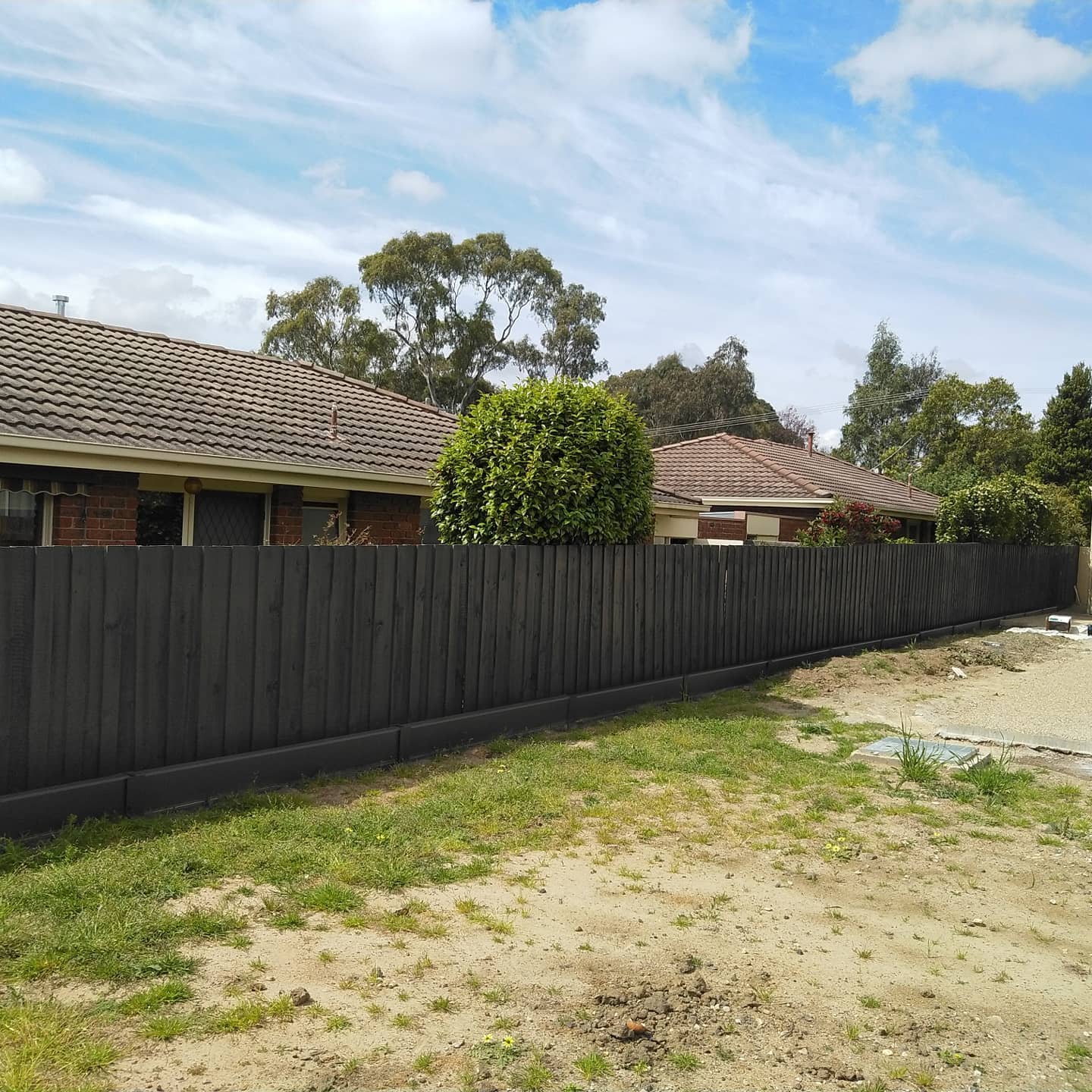
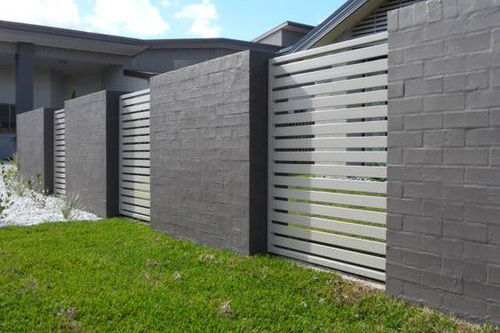
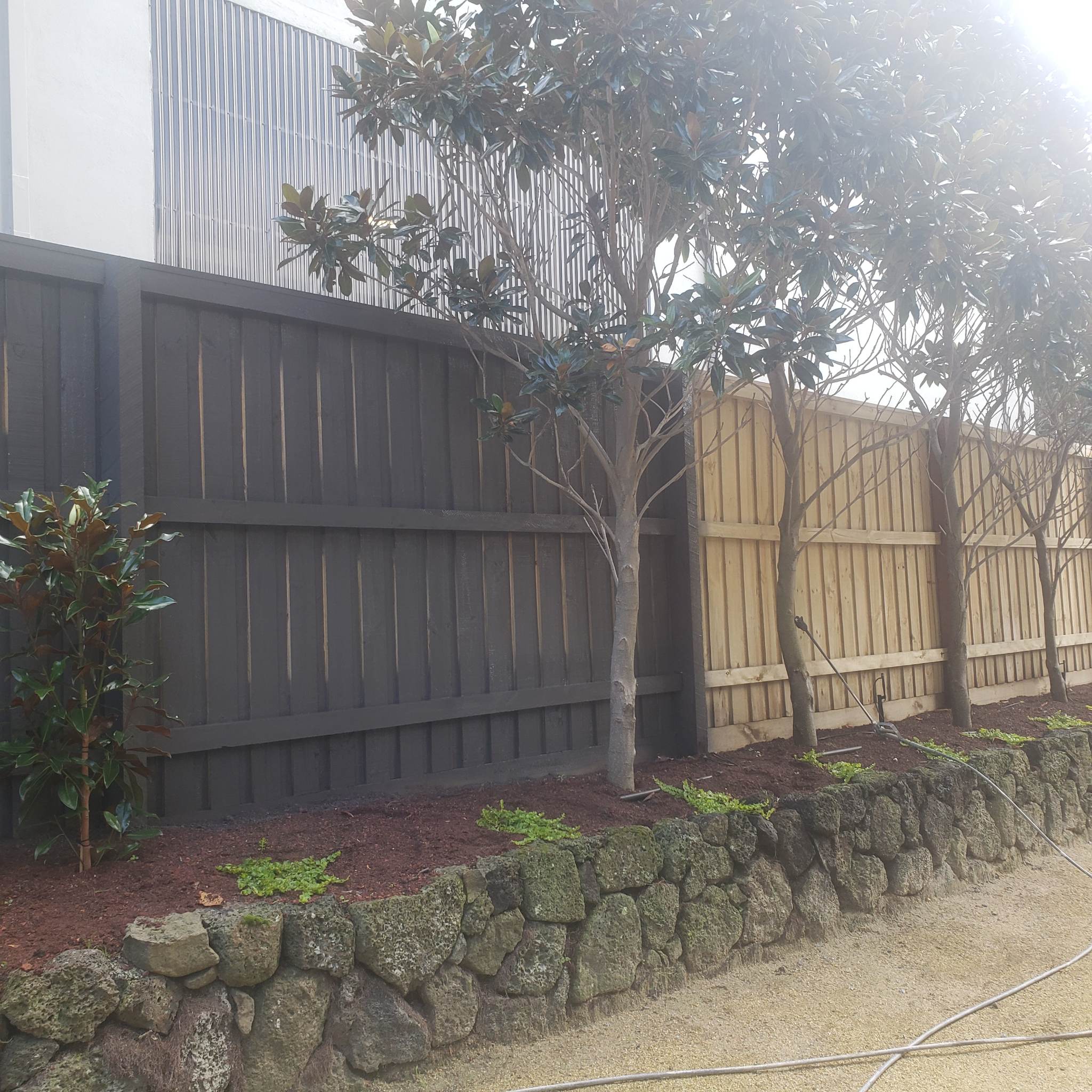


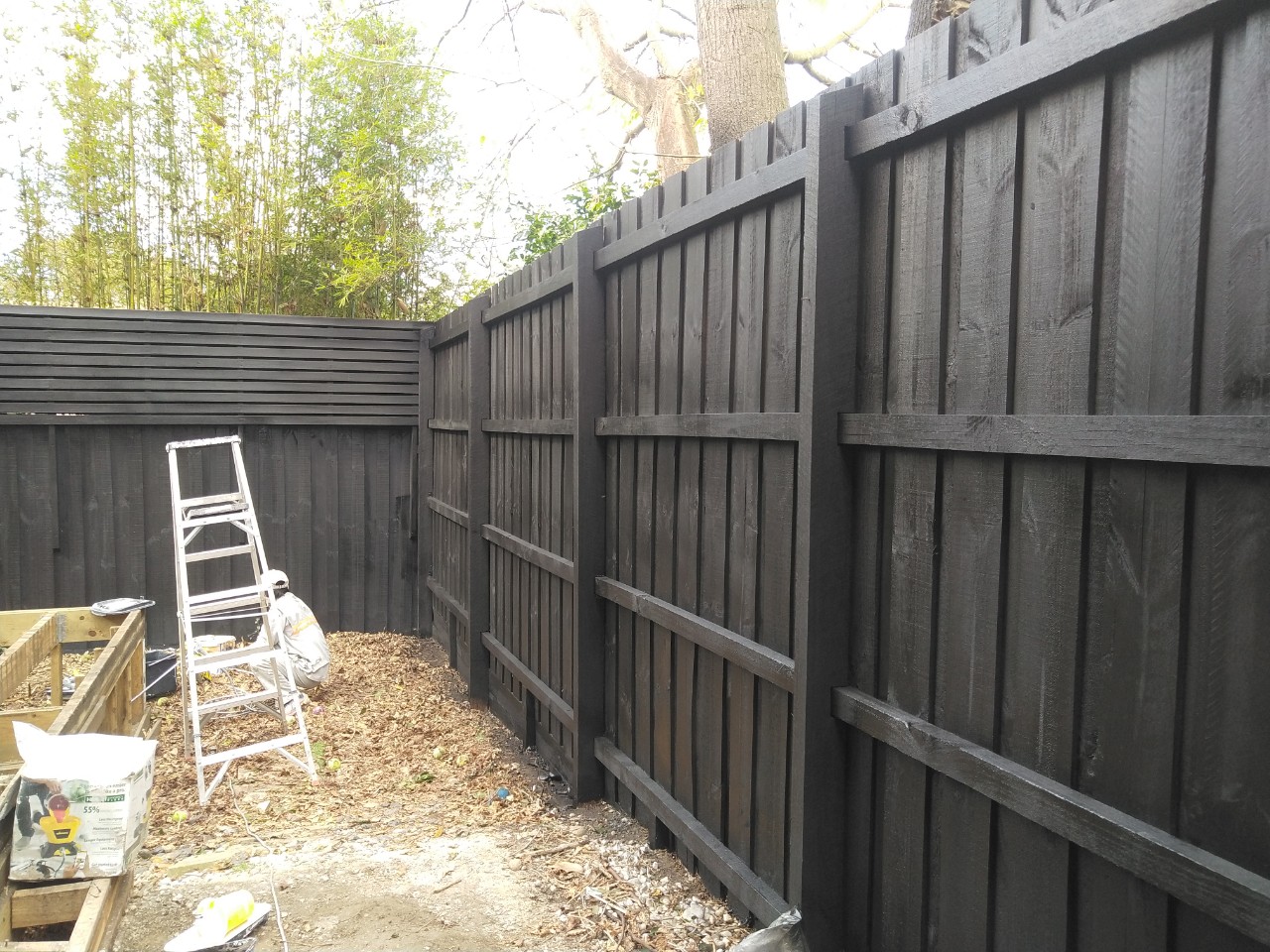


We have house painters experts in Interior & exterior house Painting, qualified and experience. All our jobs are clean, smooth and flawless.
We are a direct sole trader & painter, so we’re responsible directly for our work and without any indirect cost. Our Fence painting costs are equal to Value
Fence painting is essential to a house owner to enhance its appearance and protect it from the environmental factors. This task requires preparation, such as cleaning the fence and removing any existing paint or stain, before starting the application process. All our fence painting jobs in residential painters melbourne are with:
- A high-quality and long-lasting finish
- Smooth and even finish on all surfaces
- 5 years warranty – NO fade & NO peel*** Always come with at least 2 coats *** Absolutely CLEAN Job
FENCE PAINTING WITH CONFIDENCE & GUARANTEED!
FENCE PAINTERS – HOUSE PAINTERS – LOCAL EXPERT
Attach Pictures & Get Quote within 1 hour
First Step
Second Step
Third Step
Our fence painting process entails following steps:
-
-
Preparation: Properly prepare the fence by cleaning it thoroughly to remove dirt, debris, and loose paint. Use a pressure washer or scrub with a brush and mild detergent. Allow the fence to dry completely before painting.
-
Repair: Inspect the fence for any damage, such as cracks, holes, or loose boards. Repair any issues before painting to ensure a smooth and even finish.
-
Surface quality: Ensure the fence surface is smooth and free from imperfections. Sand rough areas or splinters and fill any cracks or gaps with wood putty or caulk, as applicable.
-
Primer: Apply a suitable primer to the fence to enhance adhesion and provide a uniform base for the topcoat. Priming is especially important for bare or previously unpainted surfaces.
-
Paint selection: Choose a high-quality exterior paint specifically designed for fences or outdoor applications. Consider factors like durability, weather resistance, and the desired appearance. Opt for paints that provide UV protection to prevent fading over time.
-
Application technique: Use a brush, roller, or sprayer to apply the paint evenly and thoroughly. Follow the manufacturer’s instructions for the recommended application method. Ensure consistent coverage and avoid excessive drips or runs.
-
Multiple coats: Apply multiple thin coats of paint rather than a single thick coat. This helps achieve an even finish and improves longevity.
-
Drying time: Allow sufficient drying time between coats and before exposing the fence to weather or touching it. Follow the paint manufacturer’s recommendations for drying time.
-
Clean edges: Use masking tape or a steady hand to achieve clean and straight edges along the fence boundaries or adjacent surfaces, such as sidewalks or buildings.
-
We recommend the house owner to maintenance the fence once a year, perform touch-ups or repainting as needed to maintain its appearance and protect it from environmental factors.
We are proud to be the first in top best-rated painters in Melbourne, rated by the most popular shared-economy platform in Australia. All tasks are rated with 5 stars.
We beat any prices. Our prices starting from $14 $12 per m2 for paling fence painting with 5 years warranty NO peel No fade


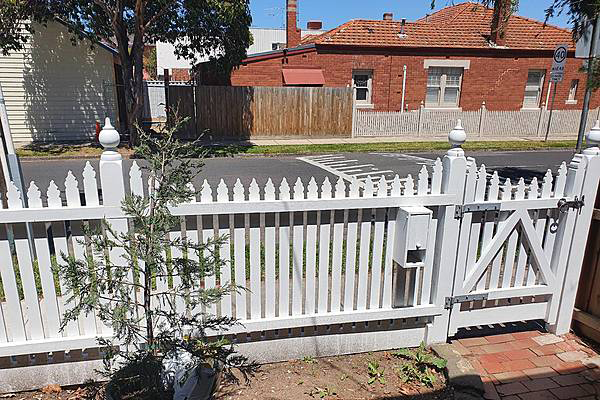
The cost of fence painting in Australia can vary depending on several factors including the size of the fence, the condition of the surface, the type of paint used, the location of the property, and the labor cost in the specific area. On average, you can expect to pay between $10 to $30 per square meter for fence painting services in Australia. To obtain quotes from local painters to get a more accurate estimate for your specific requirements, please send us images of your fence with its measurement, I will give quote quickly.
We use 2 types of paint, which are standard fence paint and premium fence paint, which are all durable & waterproof. Depending on customers requirement, we will use the fence paint accordingly. Walpamur fence paint is one of popular fence paint.
Some coloured fence paints are popular are charcoal, black or white.
For more details about some top fence paints please visit the link belows:
We do fence painting in all Melbourne regions, including:
- Fence painting within the city of Boroondaraincluding Hawthorn, Camberwell, …
- Fence painting service within the city of Melbourne including Carlton, Carlton North (shared with the City of Yarra), Docklands, East Melbourne, Flemington (shared with the City of Moonee Valley), Kensington, Melbourne, North Melbourne …
- Fence painters in Bayside
- Fence painter in Banyule
- House painting in Brimbank
- House painting in Cardinia Shire
- Fence painting in Greater dandenong
- Painting service in Darebin Preston
- Wall painting in Frankston
- Fence painters in Gleneira Caulfield South
- Fence painters near me Manningham Doncaster
- Fence painting within the city of Maribyrnong Footscray
- House painters in Monash Glen Waverley
- Painters within the city of Maroondah Ringwood
- Exterior painting in City of Moonee Valley Moonee Ponds
- Fence painting within City of Moreland Coburg
- Interior painting in WhitehorseNunawading
- Fence painting within City of Port Phillip St Kilda
- Painters near me Stonnington Malvern
- Painting company in Yarra Richmond
- Painting service in Yarra Ranges Shire Lilydale
- And many more…
If you are unsure, please contact us to check whether we can do fence painting at your home. Sometimes, we do cover other regions.
Vicpainter provides fence painting service in all metro Melbourne areas, so if you are looking for a fence painters nearby, you also can find us on trusted google reviews, local directories, community forums, or ask for recommendations from communities who may have previously used our fence painting services.
Please fill in our contact form with photos or send us an email to admin@vicpainter.com to get free quote for your fence painting.
Vicpainter Recent Projects

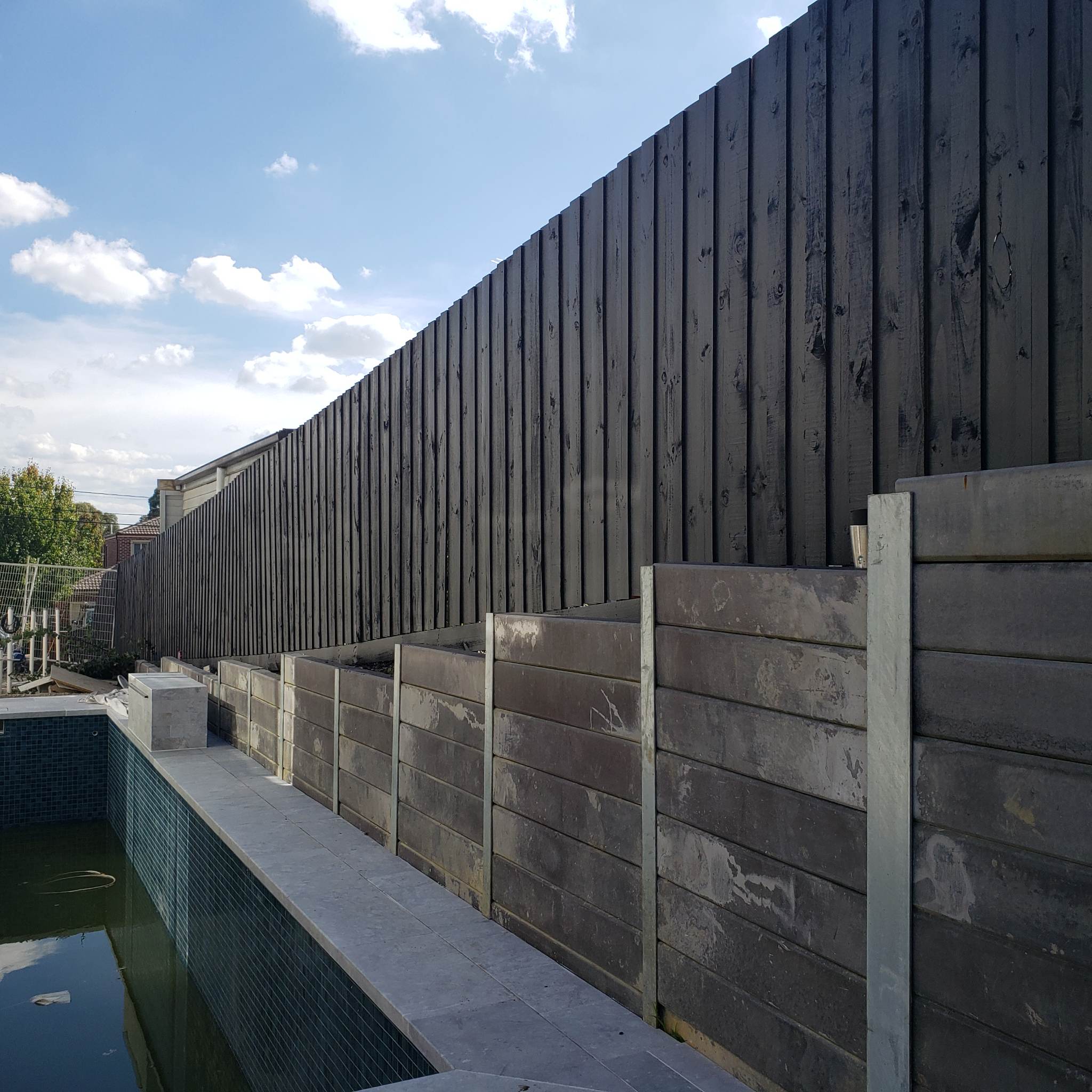
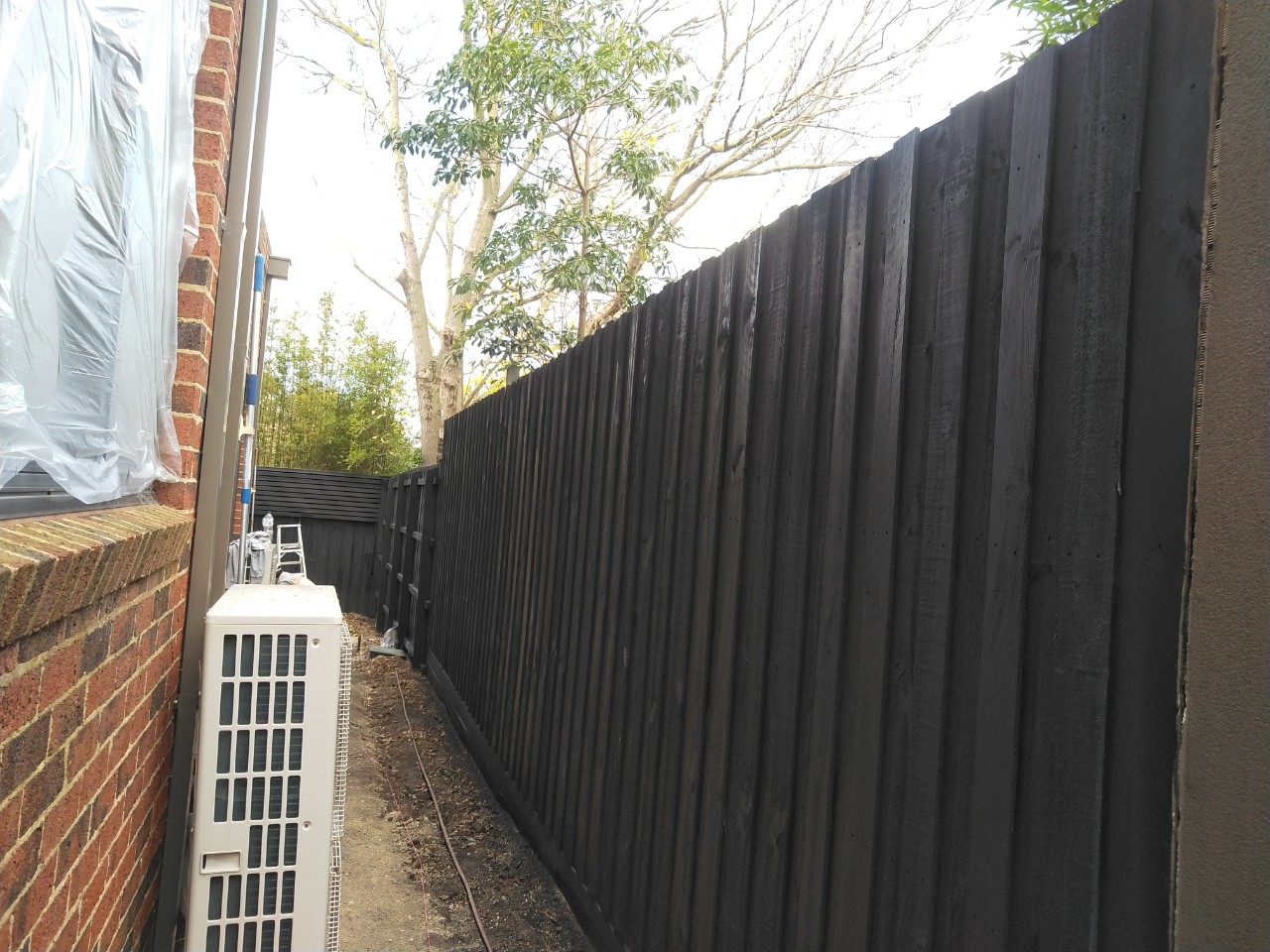
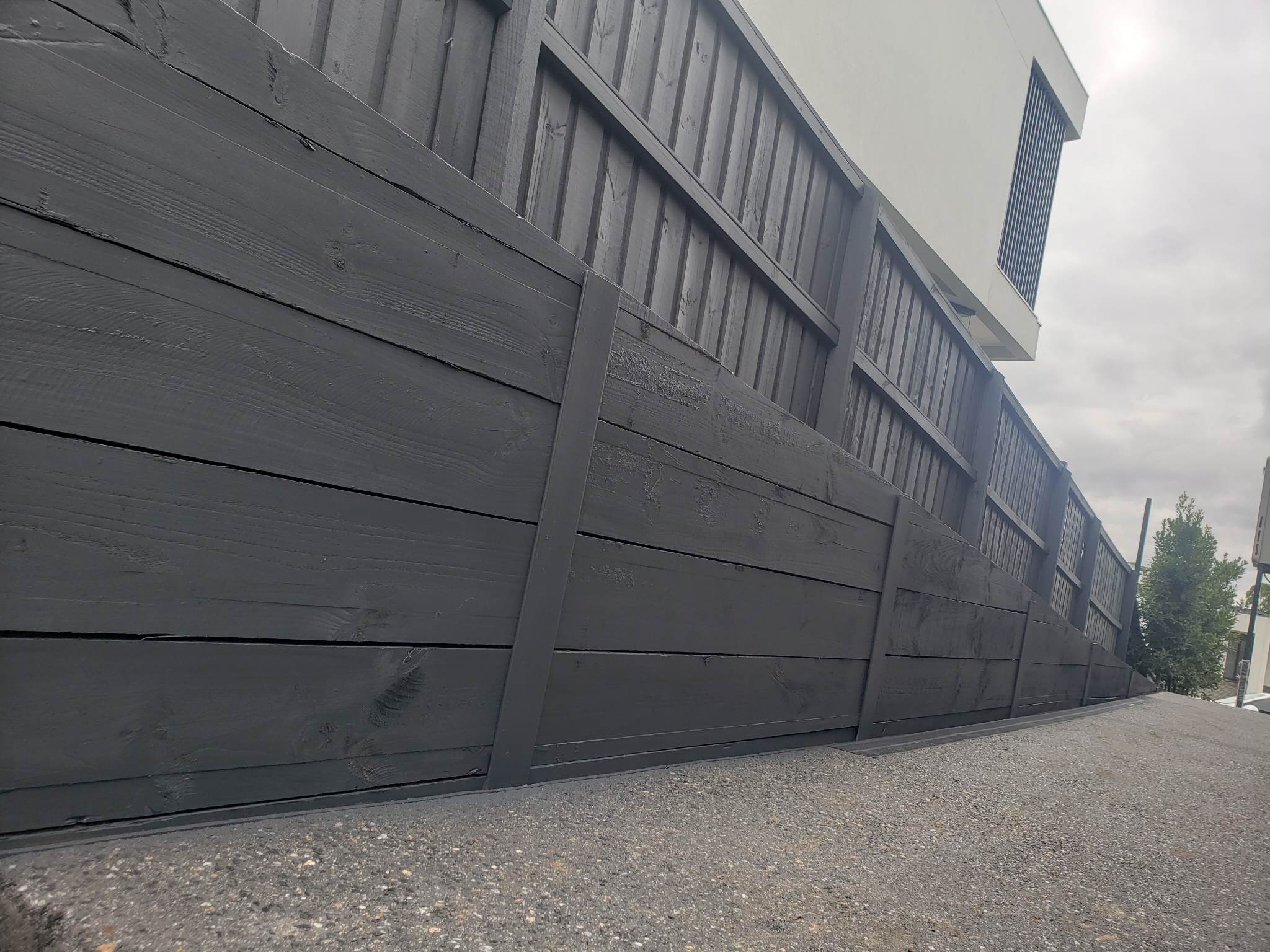
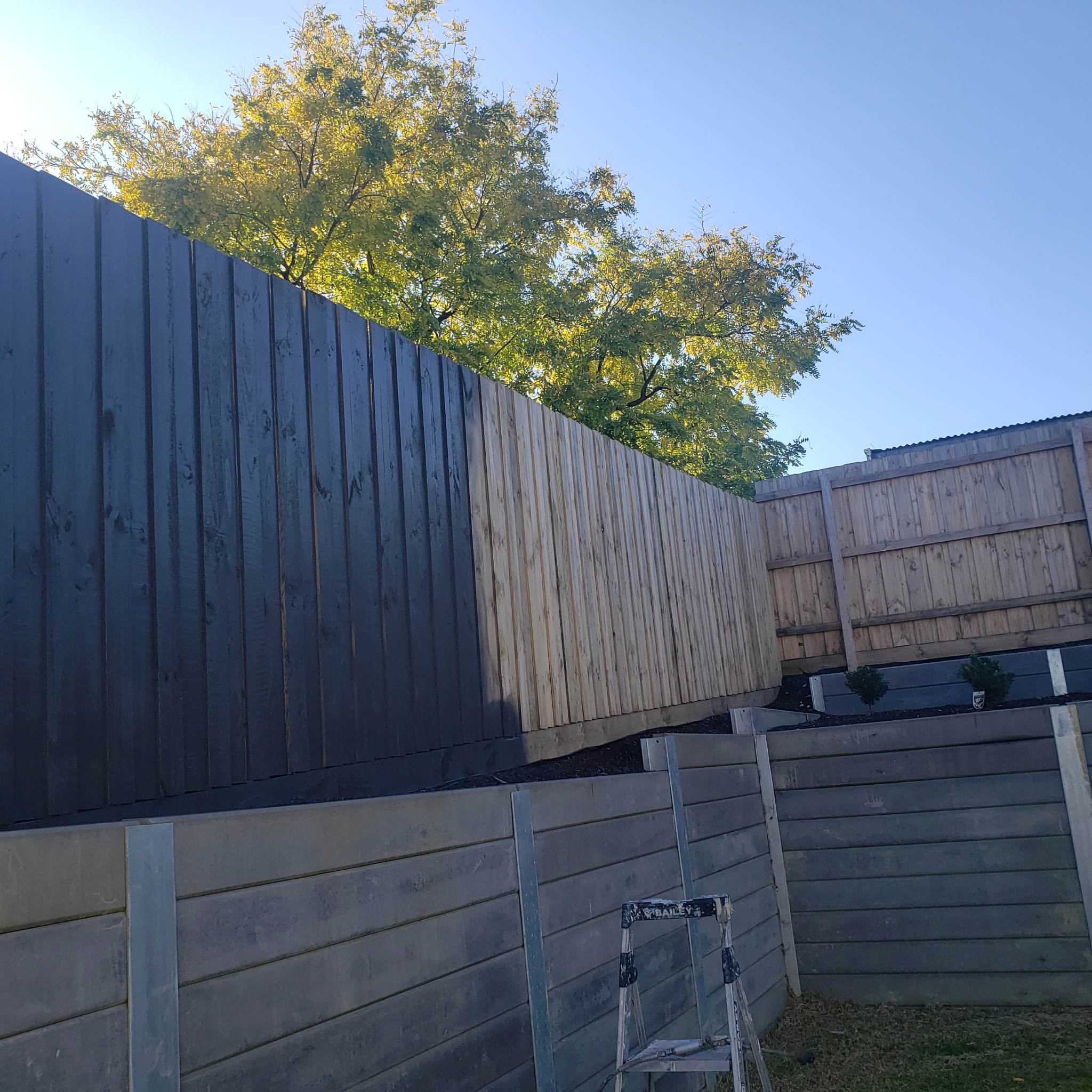
Fence Painting Estimated Quote


Fence Painting Melbourne for Timber, Paling & Outdoor Fences
A good fence paint job starts before the first coat goes on. Cleaning, removing loose paint, repairing damaged boards and choosing the right exterior coating all affect how the finish looks and how well it holds up outdoors.
VicPainter provides fence painting across Melbourne for residential, rental and commercial properties. We work on timber paling fences, picket fences and other suitable outdoor fence surfaces, with preparation and coating selected around the condition of the fence rather than a one-size-fits-all package.
Fence Painting Guide
- What to check before painting a fence
- Our fence painting process
- Cleaning, sanding and preparation
- Choosing fence paint and colour
- Spray, roller or brush application
- Fence painting cost and quotes
- DIY fence painting checklist
- Melbourne service area
- Fence painting FAQs
What to Check Before Painting a Fence
Fence painting is not only a colour update. The existing condition of the timber or coated surface determines how much preparation is needed before the finish coats can be applied. A fence that is clean and sound needs a different scope from one with peeling paint, grey weathered timber, mould, cracks or loose boards.
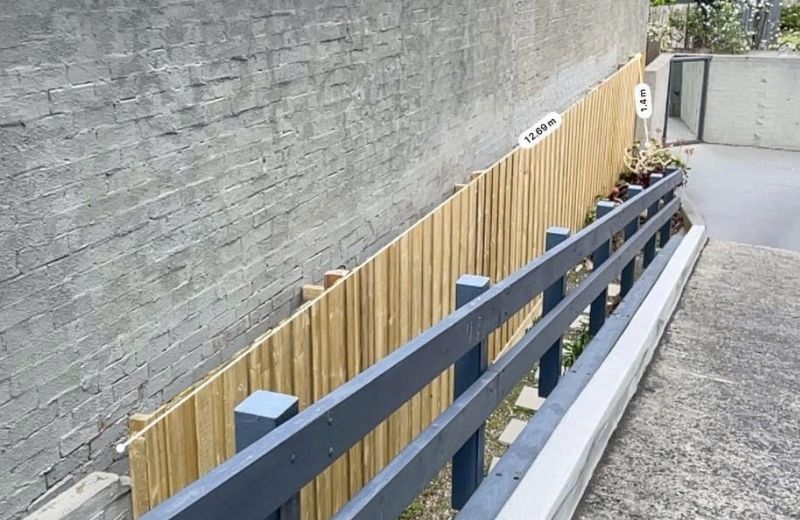
Before quoting, it helps to know the approximate length and height of the fence, whether both sides are being painted, how easy the area is to access and whether plants, retaining walls or neighbouring structures sit close to the fence line.
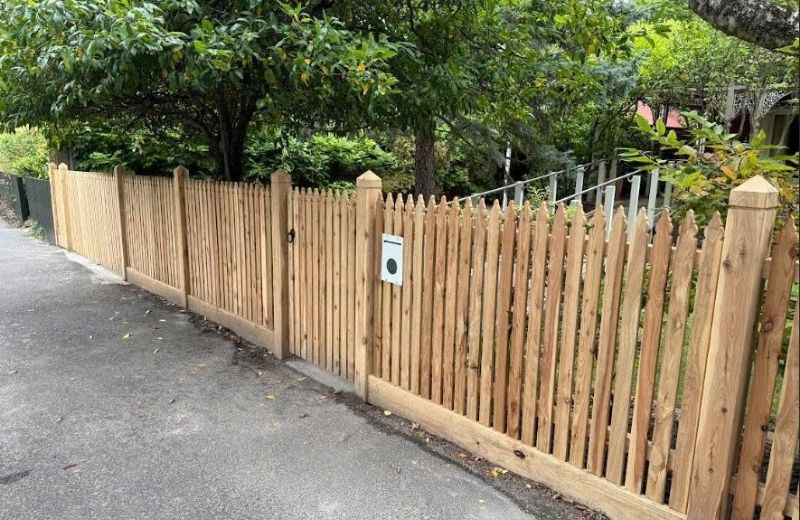
Our Fence Painting Process
Wattyl’s current fence-painting guide follows a practical sequence: gather what is needed, prepare and clean the fence, apply the paint, then clean up. We use the same basic logic for a professional service, while adjusting the preparation and coating system to the actual fence condition.
1. Inspect the Fence and Confirm the Scope
We check the fence material, existing coating, weathering, damaged sections and access. The scope should also state which side or sides are included, the approximate fence dimensions and whether gates, posts or capping are part of the job.
2. Clear and Protect the Work Area
Furniture, movable pots and other items are shifted away where possible. Nearby paving, walls, plants and fixtures are protected so preparation dust and overspray or paint splashes are controlled.
3. Clean and Prepare the Surface
Dirt, loose material and failed paint are removed. Depending on the surface, preparation can include washing, scraping, sanding and minor filling. The fence needs to be suitably dry before primer or paint is applied.
4. Prime Where the Surface Requires It
Bare timber, repaired areas or other substrates may need a suitable primer before the finish coats. The exact product depends on the surface and the coating system selected for the job.
5. Apply the Fence Coating
Paint can be sprayed, rolled or brushed depending on the fence profile, access and product instructions. The goal is consistent coverage across palings, posts, rails, edges and gaps without heavy runs or missed sections.
6. Allow Proper Drying Between Coats
Recoat and drying times depend on the paint product and weather conditions. Rather than relying on a fixed time for every job, we follow the relevant product instructions and only recoat once the surface is ready.
7. Final Check and Clean-Up
Once the coating is complete, we check coverage, edges and visible defects, then remove masking and work-area protection and leave the surrounding area tidy.
Fence Preparation: Cleaning, Sanding & Repairs
Preparation is the part most likely to affect whether a repaint looks even and stays attached. Painting straight over dust, mould, loose coating or splintered timber can shorten the life of the finish even when a good exterior paint is used.
- Clean first: remove dust, dirt, cobwebs, plant residue and other contamination.
- Remove failed coating: scrape paint that is loose, peeling or poorly bonded rather than covering it.
- Sand where needed: smooth rough timber and feather old paint edges so they do not show strongly through the new finish.
- Repair before coating: damaged boards, cracks or open joints should be dealt with before painting if they affect the finished surface.
- Let the fence dry: exterior coatings should not be applied to a wet substrate.
Does every fence need pressure washing? No. The cleaning method should suit the condition and material. Pressure washing can be useful on appropriate surfaces, but aggressive washing can damage weak timber or force water into places that then need extra drying time.
Choosing Fence Paint & Colour
The right coating depends on the fence material, previous finish, exposure and the look you want. Exterior fence paint should be suitable for the substrate and outdoor conditions. Bare timber, previously painted timber and metal fencing do not automatically use the same preparation or primer system.
VicPainter already has a detailed fence paint comparison covering several products previously used for fence work. That page is a better place for product-by-product specifications, while this service page stays focused on choosing a coating that fits the fence and the project.
Popular Fence Colours
Charcoal, black, white and muted greys are common choices because they can work with many Melbourne homes. A useful colour decision also considers the house exterior, roof, landscaping, paving and any existing Colorbond or metal elements rather than looking at the fence in isolation.
Spray, Roller or Brush: Which Application Method Is Better?
There is no single application method that is best for every fence. Spraying can be efficient on long runs of palings and can reach grooves and gaps quickly. Rollers can work well on broad accessible sections, while brushes are useful for cutting in, edges, posts and detailed areas.
The application method also needs to match the product instructions and the surroundings. Spray work requires careful masking and control around neighbouring property, cars, plants and buildings. In tighter spaces, rolling and brushing may be more practical even if the job takes longer.
- Spray: efficient for suitable fence profiles and larger areas when overspray can be controlled.
- Roller: useful for accessible broad surfaces and steady coverage.
- Brush: useful for edges, gaps, posts, gates and areas that need more control.
Fence Painting Cost in Melbourne
Fence painting cost depends on the total area, fence condition, number of sides, access, preparation, coating system and number of coats. A clean fence with straightforward access takes less preparation than a peeling or weathered fence that needs scraping, sanding and repairs first.
The previous version of this page displayed broad price ranges and promotional per-square-metre figures. Because real project cost changes with condition and scope, this version avoids presenting one figure as if it applies to every fence. For a project-specific estimate, use the existing painting quote page and send clear photos plus approximate measurements.
What to Send for a Faster Quote
- One photo showing the full fence run.
- Closer photos of peeling paint, damaged timber or problem areas.
- Approximate fence length and height.
- Whether one side or both sides need painting.
- Your Melbourne suburb and any access restrictions.
DIY Fence Painting Checklist
For a sound fence in manageable condition, painting can be a realistic DIY project. The practical sequence used in Wattyl’s guide is a good starting point: gather the tools, clear and clean the fence, let it dry, apply the coating carefully and clean up afterwards.
- Prepare the area: move furniture, protect paving and trim back or tie away plants where practical.
- Clean the fence: remove surface dirt, mould and residue, then allow enough drying time.
- Scrape and sand: remove loose coating and smooth rough sections.
- Prime where required: follow the coating manufacturer’s instructions for the actual surface.
- Cut in first: use a brush around edges, posts, bottoms and tight areas.
- Coat the main sections: use the chosen brush, roller or spray method evenly.
- Respect recoat time: apply the next coat only when the first coat is ready according to the product instructions.
- Clean up responsibly: keep paint and wash water away from stormwater drains and dispose of leftover paint through an appropriate local program.
Why Use VicPainter for Fence Painting?
A fence is a large outdoor surface, so uneven preparation or missed areas are easy to notice. Our approach is to define the condition and scope first, then match the preparation and application method to the actual fence.
- Surface-first planning: cleaning, scraping, sanding and repairs are considered before paint is selected.
- Suitable application method: spray, roller and brush work are chosen around access, fence profile and surrounding property.
- Clearer quoting: photos and measurements help define the job before work begins.
- Painting beyond fences: clients planning broader property work can also use our Melbourne painting services.
Fence Painting Across Melbourne
VicPainter services Greater Melbourne for suitable fence painting projects. Instead of repeating a long list of council names and suburbs, this page keeps the service area simple and useful. Send your suburb with the fence photos and measurements so availability can be confirmed for your project.
If the project includes other maintenance work, existing VicPainter services include plaster repair Melbourne, wall repair Melbourne, plaster hole repair and cabinet painting. These links are retained as related services rather than inserting them into unrelated fence-painting paragraphs.
Fence Painting Melbourne FAQs
Does a fence need to be sanded before painting?
Not every square centimetre needs heavy sanding, but loose paint, rough timber and hard coating edges should be prepared before repainting. Sanding is used where it improves smoothness or adhesion; the exact amount depends on the existing surface.
Should a timber fence be primed before painting?
Bare timber, repaired sections and some existing surfaces may require primer. The safest approach is to follow the specification for the chosen exterior coating rather than assuming every paint and substrate uses the same primer system.
How many coats does a fence need?
The number of coats depends on the product, substrate, colour change and condition of the fence. Many exterior systems use more than one finish coat, but the manufacturer’s coverage and recoat instructions should determine the final system.
Do you spray or hand-paint fences?
Both methods can be appropriate. Spraying is efficient for suitable fence runs, while brush and roller work can provide more control around edges, gates and tight areas. The surroundings and coating instructions also affect the choice.
Can an old fence be painted instead of replaced?
If the fence is structurally sound, repainting can refresh its appearance and add surface protection. Rotten, unstable or badly damaged sections should be repaired or replaced before painting rather than hidden under a new coating.
How do I get a fence painting quote?
Send photos, approximate measurements, your suburb and whether one or both sides need painting. Use the VicPainter painting quote page or contact VicPainter to submit the project details.
Get a Fence Painting Quote in Melbourne
Send a few clear photos, approximate fence measurements and your suburb. We can review the condition, access and likely preparation before confirming the next step.